Celebrating 50 years of the Shorebird Sanctuary at Gibraltar Point on Friday 17 and Saturday 18 April 2026

Celebrating 50 years of the Shorebird Sanctuary at Gibraltar Point on Friday 17 and Saturday 18 April 2026

Geoff Trinder

Since 1976, wardens and volunteers at Gibraltar Point National Nature Reserve near Skegness have protected some of our rarest coastal birds in a designated Sanctuary area. This April, the Lincolnshire Wildlife Trust is celebrating this milestone with a series of special events.

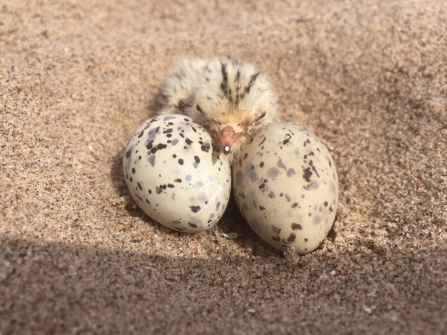
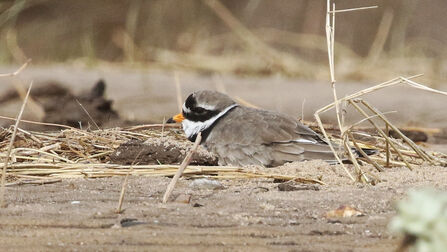
Gibraltar Point is home to the last breeding colony of little terns in Lincolnshire and a stronghold for ringed plovers. Both the eggs and newly hatched chicks are extremely vulnerable to predation, flooding by high tides and accidental trampling in their nests, which are shallow scrapes on the shore, decorated with small pebbles and shell fragments.

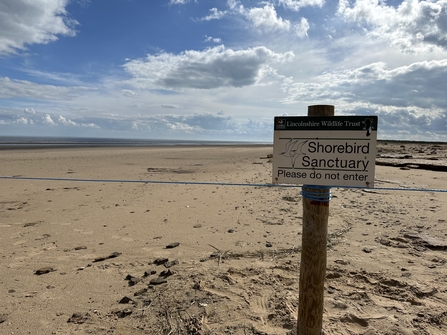
For the past fifty years, from 1 April, the part of the beach typically favoured by these birds for nesting has been fenced off as a no-access sanctuary area to give them the best possible chance. A Shorebird Warden and team of volunteers monitor the birds, scare predators away, re-locate nests that are vulnerable to inundation by high tides and patrol the boundary of the sanctuary to ensure people don’t enter. To carry out this work, a licence must be applied for from Natural England. This allows the Shorebird Wardens to get closer to the nests to help protect them.   

The work to protect the birds is demanding and can be frustrating but, as many former wardens and volunteers say, it can also be incredibly rewarding. Their dedication has kept the populations of little terns and ringed plovers safe for fifty years. 
Discover the history of the sanctuary at Gibraltar Point and the shorebirds that call it home with these special events:


Evening talk and meal: One good tern deserves a Shorebird Warden

Friday 17 April, 6.30pm - 9pm
Join us for a special evening marking five decades of shorebird protection at Gibraltar Point. Enjoy a warm meal of jacket potato and chilli (beef or lentil), an engaging talk, and stories from past Shorebird Wardens, as we journey through the remarkable history of the little tern in Lincolnshire.
£19.95 per person, booking essential.

Book the talk and meal


Day of celebration and discovery: A day for the little tern

Saturday 18 April, 10am-4pm
What’s on throughout the day: 

  • information displays with photos and memories from the fifty years of shorebird protection
  • interactive activities and shorebird crafts around the Visitor Centre
  • a self-guided trail leading down to the beach
  • family-friendly beach fun, including wild art and “Be a Shorebird Warden”

Free, no need to book. 

More information


Guided walks: Shorebirds and their conservation

Saturday 18 April, 10.30am and 1.30pm
Join the warden on a relaxed walk to the beach. Bring your binoculars along for a chance to see ringed plover and oystercatcher as they begin to establish their territories. 
The walk will be repeated in the morning and afternoon, there is no need to attend both.
Free, booking essential.

Book a shorebird guided walk


Guided walk: Experience the high tide

Saturday 18 April, 6.30pm-8.30pm

As the evening draws in, experience the tide slowly make its way up the beach, through the river, and across the saltmarsh. Join us for a guided walk around the reserve and enjoy the changing sights and sounds of the high tide at sunset. 
Free, booking essential.

Book the high tide experience


Why are these species important? 

Shorebird is a broad term that includes birds that live and nest along shorelines and wetlands. Their nests are usually just a hollow scraped out of the sand. We have two key shorebird species that we actively work to protect at Gibraltar Point. 

Little tern 

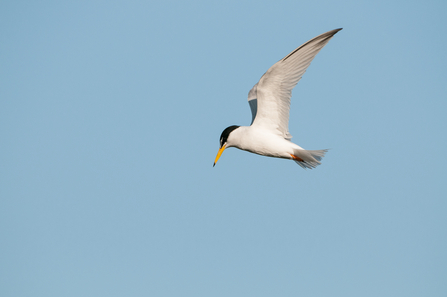
  • The UK's smallest tern, weighs about the same as a tennis ball.
  • Spends the winter in West Africa, returning each April to nest on beaches in the UK.
  • In the 1900s, there were nine breeding sites in Lincolnshire.
  • Gibraltar Point is now the last place in the county where these birds breed and their numbers are declining internationally.   

Ringed plover 

  • Small, pretty wader with distinctive black markings on the head and neck.
  • Recently added to the ‘Red List’ due to huge declines in their population numbers both in the UK and internationally.
  • Gibraltar Point is a stronghold for breeding ringed plover in Lincolnshire. 

What can visitors to Gibraltar Point do to help the shorebirds?

Stay within the public areas of the beach
By keeping away from the sanctuary area, you will help reduce disturbance to the nests, reducing the chance of the nests being abandoned or the eggs being crushed underfoot. 

Keep clear of caged nests
Most of our shorebirds nest within the sanctuary, however, some nest in the public areas of the beach. We also protect these nests. If you see circular netting on the beach, please don’t get too close. It will be around a nest to protect the eggs and adults from being disturbed. 

Not flying kites or drones
The shapes and hovering effects of kites and drones are similar to flying predators. The stress of thinking that something is about to eat you or your eggs can be too much. It can lead to the adults abandoning their nest. 

April to September: keep dogs away from the beach
All year round: keep dogs on a short lead  
Disturbance by dogs can impact on the breeding success and winter survival of birds at Gibraltar Point. Birds see dogs in the same way as they see any predator. It is not only the sight and movement but the scent trail that dogs leave behind that can impact on birds and may lead to them abandoning their nests. It might seem like harmless fun for a dog, but even causing birds to take flight, known as flushing, wastes valuable energy and gives the birds less time to feed. If this happens continually throughout the day, it can harm their chances of survival. 

Volunteer
Our volunteers are key to the success in protecting the breeding grounds of shorebirds here at Gibraltar Point. Helping to take care of the sanctuary boundary and talking with visitors about these amazing birds has a huge impact on the success of these important species. 

Find out more 
 

Thank you for helping to look after the wildlife that calls Gibraltar Point home.