

Paul Naylor
Caring for our seas
Lincolnshire’s coastline stretches for over 50 miles from the Humber to The Wash, and then more than doubles in length when the coastal fringes of these two globally important estuarine system are included. It encompasses a diverse range of habitats from expansive saltmarshes and mudflats to sandy beaches and complex dune systems. These ever-changing environments support a wealth of marine life and play a vital role in protecting our coast.
From the inshore shallows out to the productive offshore waters of the North Sea, our seas are home to an abundance of wildlife, including grey and common seals, harbour porpoises, and important communities of fish, shellfish and invertebrates. Thousands of migratory and overwintering birds depend on these habitats each year, while our coastal waters also support local fisheries, tourism and recreation. Sub-tidal habitats include living biogenic reefs created by the ross worm, and the glacial tunnel with steep sides known as the Silver Pit.
Together, this makes Lincolnshire’s marine environment both ecologically important, and connected to the communities that live alongside it.
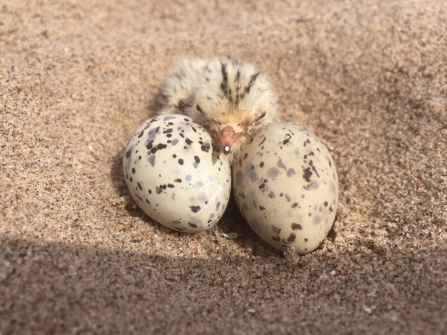
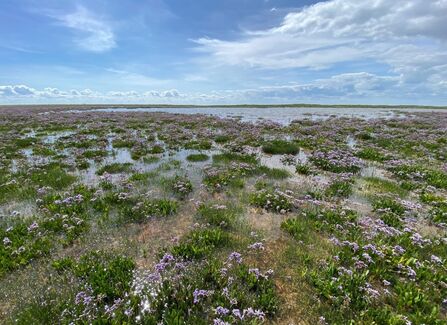


Lincolnshire’s Living Seas
What are living seas?
Living Seas are The Wildlife Trusts’ vision for the future of the UK’s seas. Within Living Seas, marine wildlife thrives, from the depths of the ocean to the shallow waters of the coast.
Around half the UK's wildlife lives in the sea – from microscopic plankton to mighty whales. But our seas are under pressure from all sides. Decades of neglect have left them damaged and degraded. We need your support to bring them back to life.

Hornwrack ©Paul Naylor www.marinephoto.co.uk
The way back to living seas
Read the Wildlife Trusts proposals for a UK Marine Strategy to guide development at sea, environmental limits for fishing and protected areas for wildlife.
The Wildlife Trusts ‘The Way Back to Living Seas’ report sets a vision for our marine environment and identifies five key challenges that must be addressed to restore our Living Seas and secure their health for future generations. These are: securing protected areas at sea; making fishing sustainable; ensuring development is sustainable, eliminating pollution; and inspiring and connecting people.
What are the main threats to our seas and shores?
Bycatch
Non-target species such as cetaceans, seabirds, and sharks are often unintentionally caught in fishing gear, leading to injury or death.
Climate change
Rising sea temperatures, ocean acidification, and changing weather patterns are altering species distribution, breeding cycles, and habitat conditions, placing stress on already vulnerable ecosystems, and squeezing some out of existence.
Cumulative effects
These threats do not act in isolation and combined pressures can amplify overall damage. This means ecosystems often become less resilient, making recovery more difficult and increasing the risk of long-term ecological decline.
Disturbance from human activity
Shipping, offshore development and recreational activities can create noise, physical disturbance, and habitat disruption that can affect feeding, breeding, and migration behaviours.
Habitat destruction
Human activities such as bottom trawling, dredging, and coastal development can physically damage or disturb important seabed habitats reducing feeding and breeding areas for marine species.
Invasive species
Non-native species can spread rapidly, out-competing native wildlife and altering ecosystem balance. Shipping ballast and recreational sailing can be a source for example of these species entering UK waters.
Overfishing
Many fish stocks are being harvested faster than they can naturally recover, leading to declining populations and disrupted food webs. This includes commercial and recreational fishing.
Pollution
Marine environments are affected by plastic waste, chemical runoff from agriculture and sewage discharges. These contaminants can poison wildlife, reduce water quality, and enter the food chain.

Mark Thomas
Our vision for the North Sea
Twelve Wildlife Trusts located across the North Sea coast of England, aim to make the concept of 'Living Seas' a reality though the North Seas Wildlife Trust project. This partnership will promote protection of the North Sea's wonderful marine wildlife, from the smallest plankton to the largest whales.
How we are working to protect Lincolnshire’s marine environment
Our work in the marine environment


© Paul Naylor
Marine Protected Areas
Marine Protected Areas are places at sea where certain environmentally damaging activities are restricted to protect marine wildlife.
In the UK, there are different types of Marine Protected Areas. Together these form a chain of protected areas around the coast which, once complete, are intended to protect a wide range of marine wildlife and the special places they call home.
Get involved

Sam Dawson
Beached! Lincolnshire
Become a citizen scientist and help us record what washes up on the coast.
Wanting a career to help our seas?
We host Marine Future Interns working in partnership with The Crown Estate, Orsted, Natural England and our Wildlife Trusts on the North Seas – recruitment occurs through early spring with the Interns starting in mid-June so keep an eye out on our Jobs page.
See the blogs posts from our past Interns to get a taste of what it is like!


